After you pass
FMGE Internship: CRMI, Duration & NMC Registration
The FMGE internship is a 12-month rotating year in an Indian hospital. It stands between passing the exam and being licensed to practise.

What happens after you clear FMGE
Four steps, in the order they have to happen. Passing is the first of them, not the last — the licence comes at the end of the internship, not with the result.
NBEMS declares the result and the National Medical Commission issues the FMGE pass certificate. This certificate, not the result page, is what every later application asks for. Keep the original and several attested copies.
Provisional registration is granted by the State Medical Council of the state you intend to intern in, and it exists for one purpose: it is what permits you to work as an intern. You cannot begin the internship without it, and it is not the licence to practise independently.
The Compulsory Rotatory Medical Internship is a paid, supervised, rotating year in a hospital the council has allotted you. It is not shadowing and it is not optional — it is the clinical training the licence is granted on the strength of.
On completing the internship you apply to the same council for permanent registration. That entry in the State Medical Register, and in the National Medical Register, is the licence to practise medicine in India independently.
Not there yet? FMGE results and pass statistics covers the result itself, and FMGE registration covers the application.
NMC registration after FMGE: provisional comes first
There are two registrations, and candidates routinely apply for the wrong one. Provisional registration is granted so that you can work as an intern. Permanent registration is the licence to practise on your own, and it is granted only after the internship is finished.
You apply to the State Medical Council of the state you intend to intern in — not to NMC directly. Each council publishes its own form, document list and fee, and the FMGE pass certificate issued by NMC is the document all of them are built around.
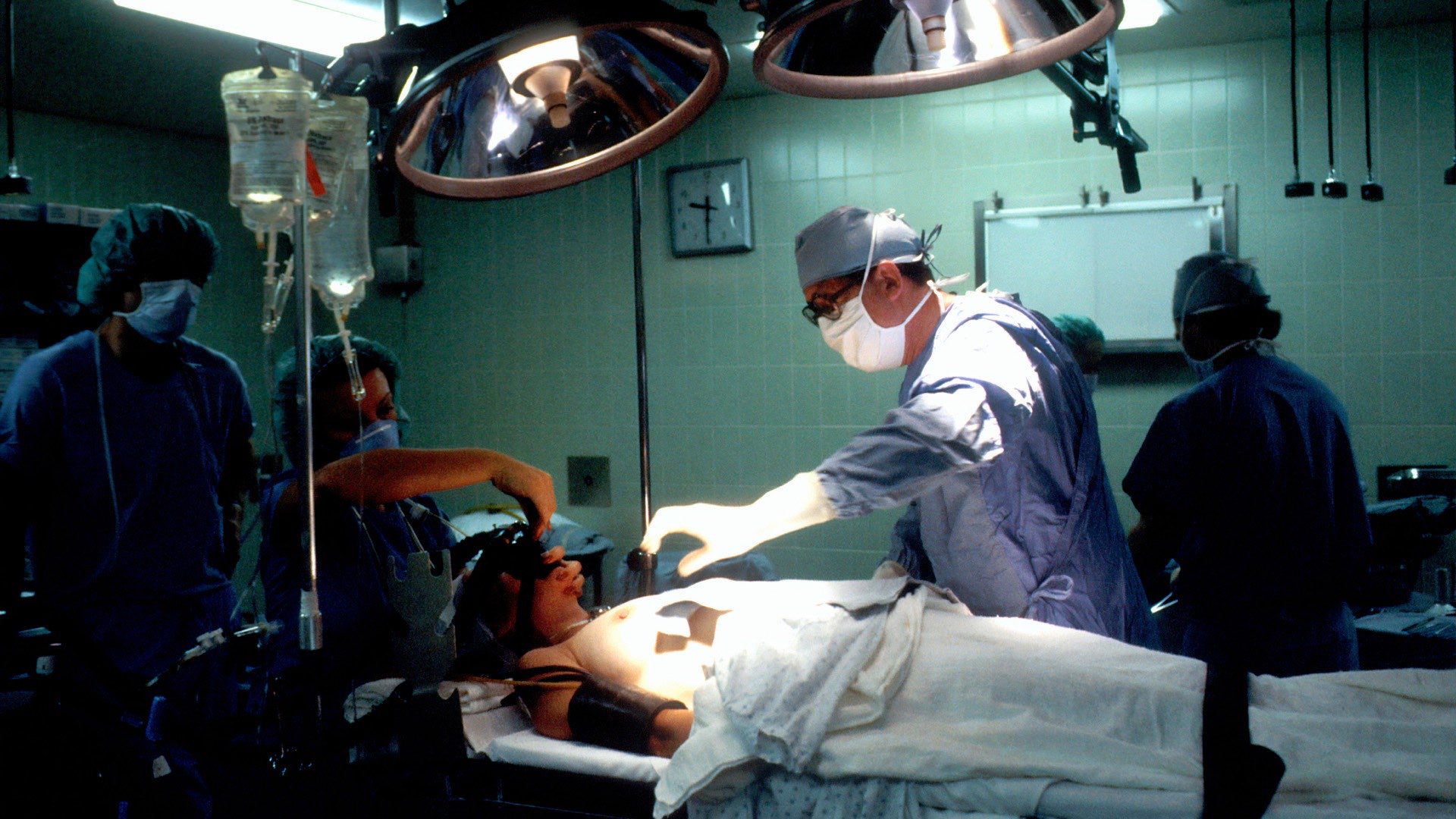
CRMI: the 12-month internship for foreign medical graduates
The Compulsory Rotatory Medical Internship is a paid, supervised year spent rotating through a hospital's clinical departments. Indian graduates do the same internship; for a foreign medical graduate it sits after FMGE rather than after final year.
Who has to do it
Every foreign medical graduate who has passed FMGE and wants permanent registration. It is a condition of the licence, not a formality that can be waived because you already trained abroad — the training done abroad is what the Eligibility Certificate assessed, and this is separate from it.
How long it lasts
12 months for a graduate whose course was taught and examined in person, in full, abroad.
Longer, if your course was online or hybrid — but nobody can tell you how much longer in advance.
Candidates who studied remotely during the pandemic, and those who left their country of study before finishing clinical training, have been required to complete additional training. How much is decided case by case and differs between councils, so confirm it with the State Medical Council you are applying to before you plan around a duration. Checked at nmc.org.in on 17 September 2026.
What you rotate through
The departments below, in a sequence the allotting institution sets. The month-by-month split differs between institutions, so treat the list as the scope of the year rather than a timetable.
- Medicine and its allied specialities
- Surgery and its allied specialities
- Obstetrics and gynaecology, including family planning
- Paediatrics
- Community medicine
- Casualty and emergency
- Anaesthesiology, orthopaedics, ophthalmology, ENT, dermatology and psychiatry postings
Seats and how they are allotted
You apply to your State Medical Council, which allots you to a hospital from the seats that state has sanctioned for foreign medical graduates. The process is the council's; the number of seats is the state's, and it is revised most years.
Seat counts are not published centrally.
Each state publishes its own sanctioned intake and revises it, so there is no single all-India figure to quote — and a number lifted from one state's circular and presented as national is worse than none. Ask your State Medical Council for the current intake. Checked at nmc.org.in on 17 September 2026.
Stipend
The internship is a paid post, paid by the institution you are allotted to.
The amount is set by your state and your institution, not nationally.
Stipends differ substantially between states and between institutions in the same state, so any single all-India figure you see quoted is one state's number. Ask the council and the allotted institution directly. Checked at nmc.org.in on 17 September 2026.
Permanent registration after your internship
You apply to the same State Medical Council that gave you provisional registration, with the internship completion certificate from the hospital you were allotted to. The council enters you in the State Medical Register, and that entry also appears in the National Medical Register maintained by NMC.
That entry is the licence. From it you can practise independently, take up a post, or sit a postgraduate entrance exam — the route back into Indian medicine is finished.


State Medical Council registration, in short
Registration is with a state, not with the country. You register with the council of the state where you will work, and if you later move you apply to transfer or to register additionally with the new state's council rather than starting again.
Councils differ in their forms, fees and processing times, and none of them publish a common schedule. Your own council's website is the only reliable source for its current requirements — nmc.org.in lists them.
One thing to discount entirely: NMC does not approve or endorse any list of foreign universities, so any list of universities a site tells you NMC has cleared is something that site made up. What counts is that your qualification meets the Foreign Medical Graduate Licentiate Regulations, 2021 and that your school is listed in the World Directory of Medical Schools — which is what your NMC Eligibility Certificate already settled.
Your FMGE preparation starts today.
6,000+ PYQs. Subject-wise insights. Score against 150 after every session. Free to start.




Trusted by graduates from 13 countries
FMGE internship: frequently asked questions
Yes. Passing FMGE alone does not let you practise. The Compulsory Rotatory Medical Internship is required before you can apply for permanent registration with a State Medical Council, and permanent registration is the licence to practise independently in India.
Twelve months for a foreign medical graduate whose course was taught and examined in person, in full, abroad. Graduates whose course ran online or in a hybrid format, or who left their country of study before completing clinical training, have been required to do additional training — the amount is decided case by case, so confirm it with the State Medical Council you are applying to rather than relying on a figure published elsewhere.
No. You do not need a completed internship to sit the exam. You need your foreign medical degree and an NMC Eligibility Certificate. The internship comes after you pass, as a condition of registration.
The internship is a paid post. The amount is set by state governments and by individual institutions rather than centrally, and it differs substantially between them, so ask the council and the allotted institution directly. Anyone quoting a single all-India figure is quoting one state.
To the State Medical Council of the state where you intend to do the internship, not to NMC directly. Each council publishes its own form, document list and fee. If you later move states to practise, registration can be transferred.
NMC does not approve or endorse any list of foreign universities, and a site showing you one has invented it. What matters is that your qualification meets the Foreign Medical Graduate Licentiate Regulations, 2021 and that your institution is listed in the World Directory of Medical Schools. Your Eligibility Certificate is the document that settles this, which is why it is issued before you sit the exam rather than after.