FMGE study material, made high-yield
Subject-wise notes, previous year question breakdowns, and exam guidance for foreign medical graduates preparing for FMGE, free and updated regularly.
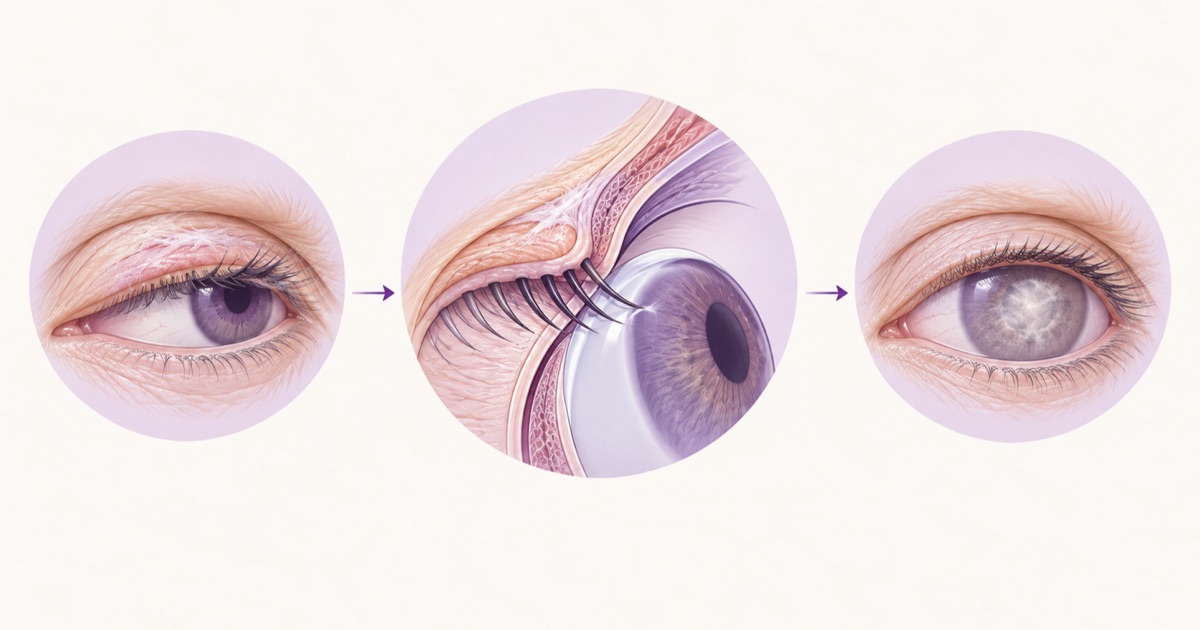
Latest articles
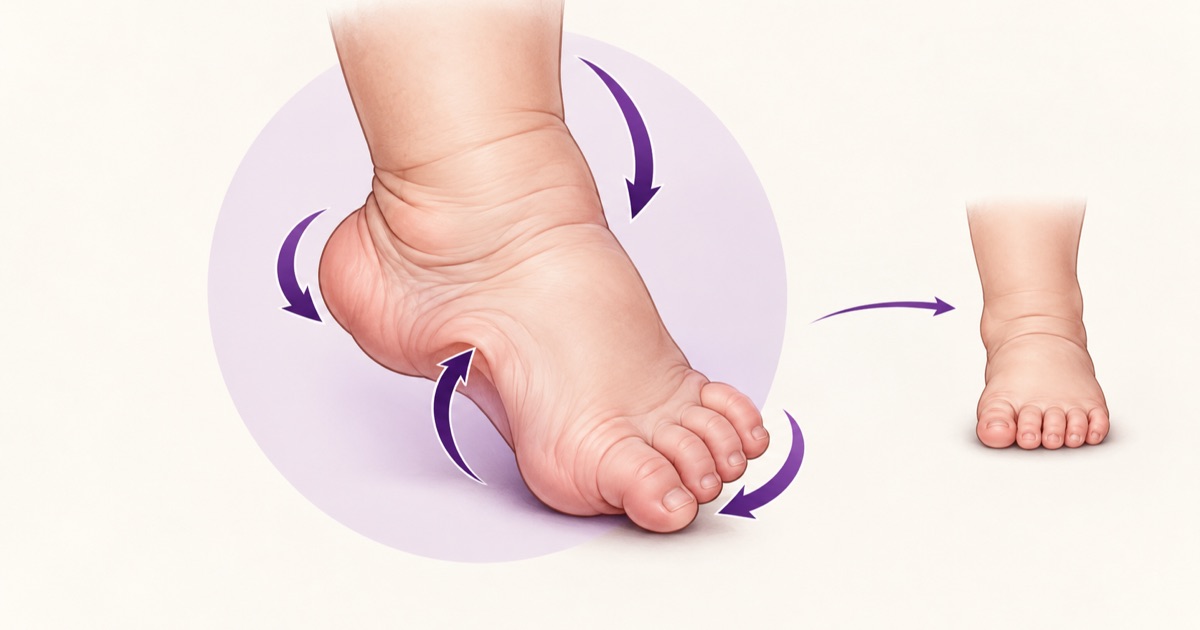 Orthopedics
Clubfoot (CTEV) for FMGE: The Four Deformities and the Ponseti Sequence
Clubfoot (CTEV) for FMGE: the four components (CAVE), how to tell it from look-alikes, Pirani scoring, and the Ponseti method in the correct order, including why equinus is corrected last.
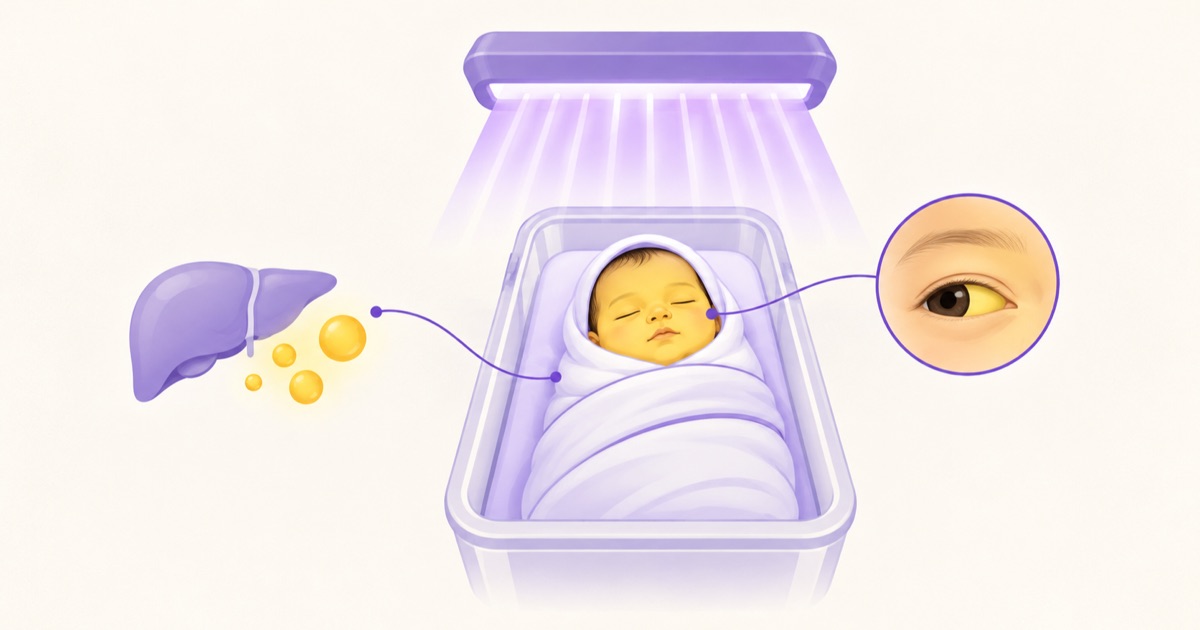 Pediatrics
Neonatal Jaundice for FMGE: Physiological vs Pathological, and the Timing Clue That Decides It
Neonatal jaundice for FMGE: how to tell physiological from pathological, the causes sorted by day of onset, Rh vs ABO incompatibility, kernicterus, and phototherapy vs exchange transfusion.
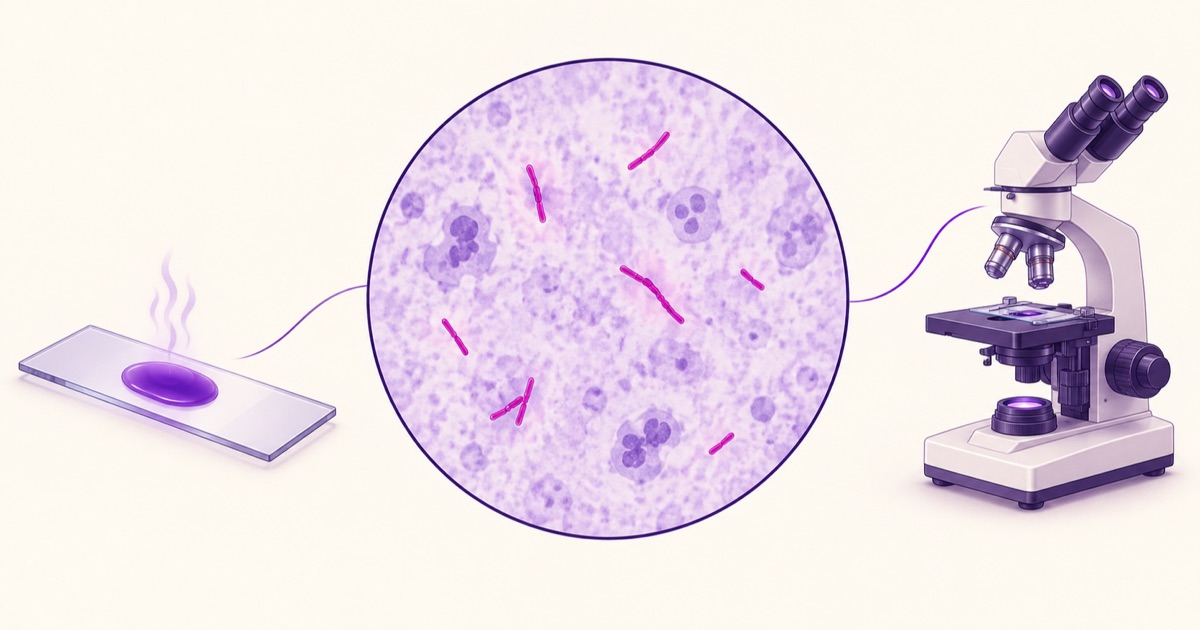 Microbiology
Ziehl-Neelsen Staining for FMGE: Why Mycobacteria Need a Different Stain Entirely
Ziehl-Neelsen (acid-fast) staining for FMGE — why Mycobacteria resist Gram staining, AFB grading, other acid-fast organisms, and why a negative smear doesn’t rule out TB.
 Psychiatry
Mental Status Examination for FMGE: The Eight Components, Graded Independently
The Mental Status Examination for FMGE — all eight components explained, the mood-vs-affect distinction, thought process vs thought content, and why each component is graded independently.
 Forensic Medicine
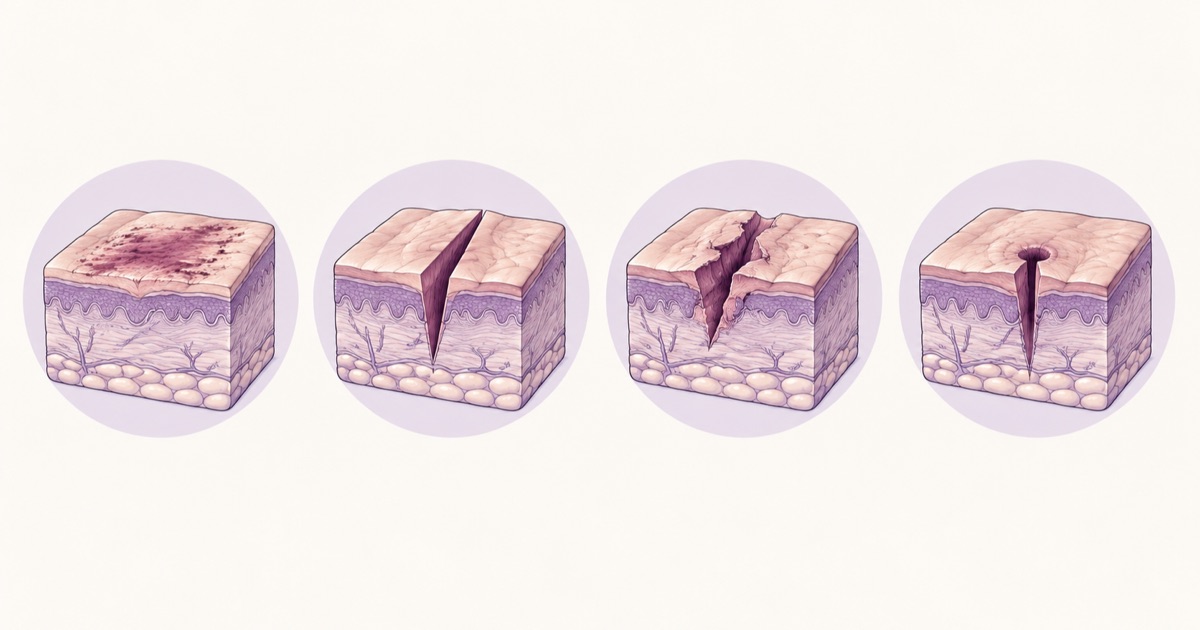
Types of Wounds for FMGE: What the Wound Itself Tells You About the Weapon
Types of wounds for FMGE — abrasion, contusion, laceration, incised and stab wounds, firearm entry vs exit findings, defense wounds, and how each tells a distinct forensic story.
 Physiology
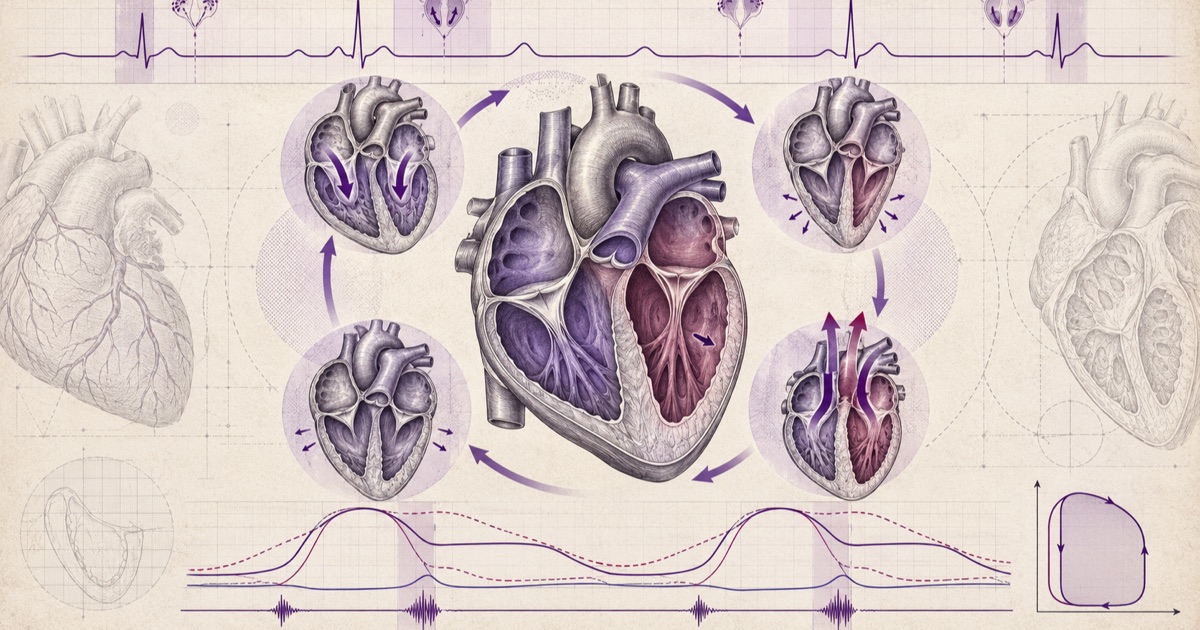
Cardiac Cycle for FMGE: One Sequence, Not a List of Disconnected Facts
The cardiac cycle for FMGE — every phase, heart sound, murmur timing, and JVP wave mapped back to one continuous sequence, plus the actual pressure numbers worth knowing.
 Anatomy
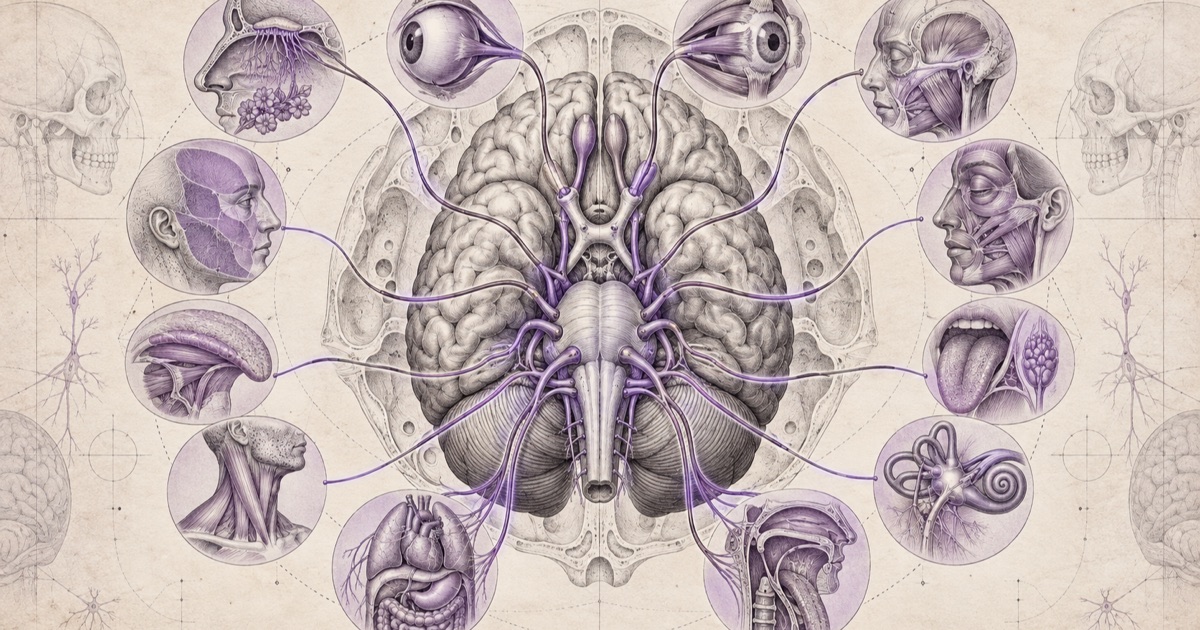
Cranial Nerves for FMGE: The Twelve-Nerve System, Not Twelve Separate Facts
All twelve cranial nerves for FMGE — numbering, type, brainstem origin, and the sensory-motor pairing that makes reflex-based lesions easy to localize.
 Biochemistry
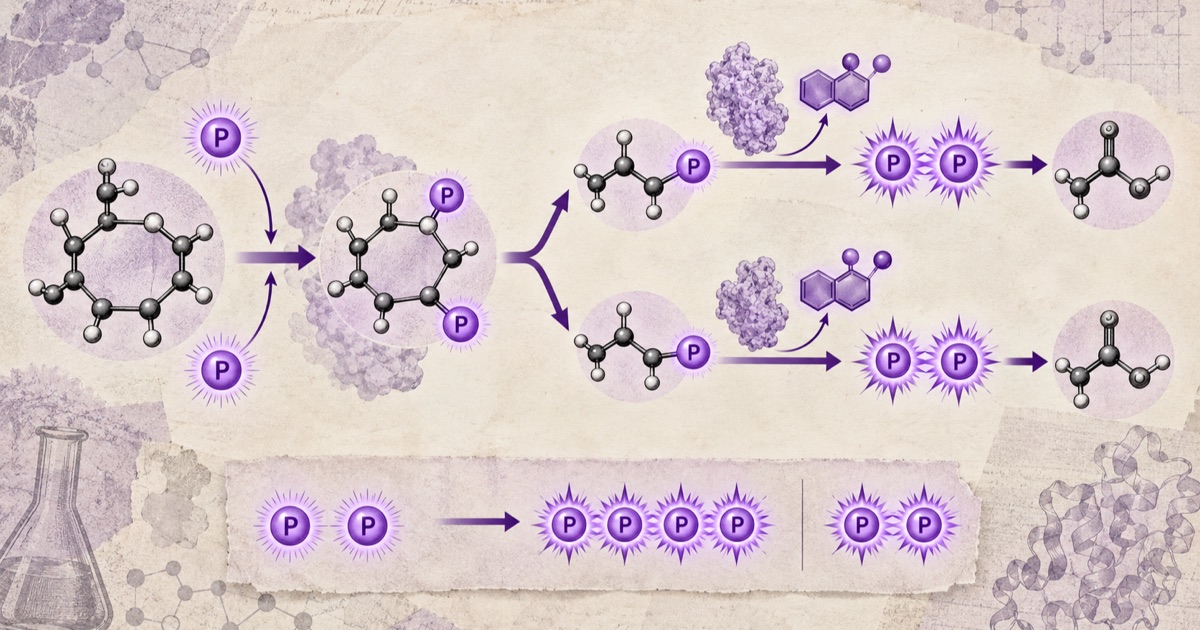
Glycolysis for FMGE: The Three Enzymes That Actually Matter
Glycolysis for FMGE — the three irreversible, regulated enzymes, where NADH comes from, the aerobic/anaerobic branch point, and why pyruvate kinase deficiency causes hemolytic anemia.
 Pharmacology
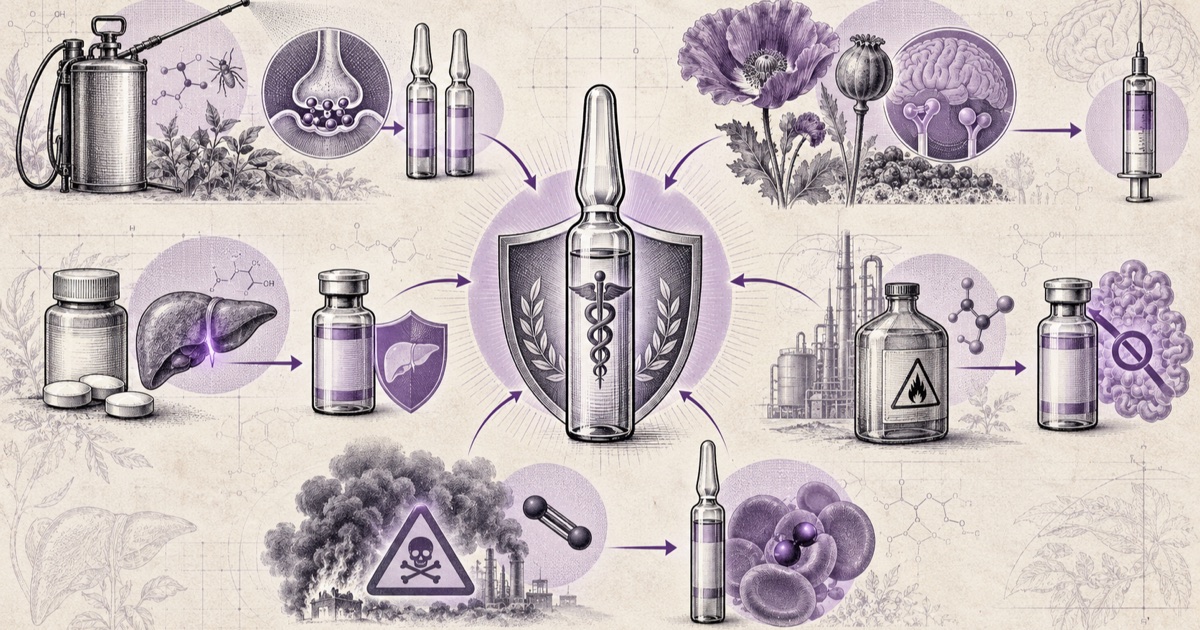
Antidotes for Common Poisonings for FMGE: The Drug-to-Poison Table Worth Memorizing Cold
Antidotes for FMGE, organized by poison — organophosphates, opioids, benzodiazepines, paracetamol, and more, with the mechanism behind each pairing, not just the name to memorize.
Browse by subject
Every subject in the FMGE syllabus, with notes and previous year questions.
Pre & Para-clinical
Clinical
Reading is good. Practising is better.
Turn what you just read into marks. Every FMGE previous year question, tagged by subject, with analytics measured against the 150 mark cutoff.




Trusted by graduates from 13 countries